Some work can't be done an hour at a time.
Half-day, full-day, and multi-day therapy intensives in Western New York.
What is a therapy intensive?
A therapy intensive is several hours of focused work, a half day, a full day, or multiple days, aimed at one goal. Instead of spreading the work out across months of appointments, we clear the space to stay with it: enough time to get past the version of the story you've told a hundred times and into what's actually underneath it, with room left over to breathe and settle before you head home.
The clinical work inside it depends on what actually fits you. I integrate EMDR, parts work, somatic work, attachment theory and other influences as they best connect in what is needed for you rather than one protocol for everyone. The time matters most in processing work like EMDR, where a standard session can open something up without leaving enough room to reach a natural stopping point. With an intensive, we keep going until you're at a genuinely solid stopping point, not just wherever the clock happened to land.

How it works
1. Consultation. Phone or video, $25, credited toward your first session. We talk about what you're coming to do and whether an intensive is actually the right container for it. If it isn't, I'll say so and point you toward what I think is.
2. Intake and preparation session. 90-minute session that is included in every package. We talk about your goals and work together to figure out potential “best” paths to get there (don’t worry if you have no clue, that’s my job!), so day one isn't a cold start.
3. The intensive itself. A half day, a full day, or several, with breaks built into the structure and pacing that follows what your system can do.
4. Landing and integration. We close each day with your feet under you, and if integration follow-up sessions make sense afterward, we'll decide that together rather than bundling in sessions you might not use.
The office is professionally designed to deepen the work further.
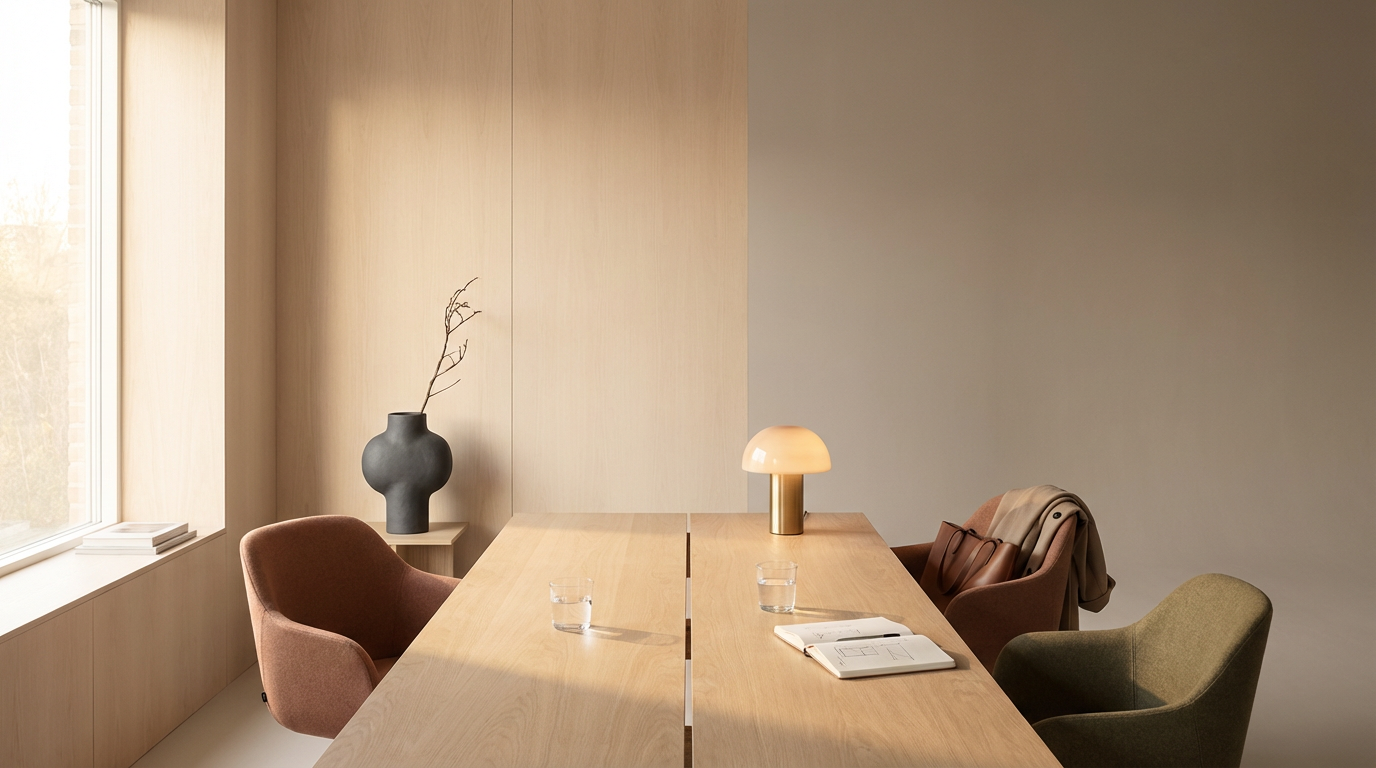
Environment matters. The space was professionally curated to offer beauty, safety, and comfort for all types of brains and physical bodies. From zero overhead lighting, ever (I literally had my landlord detach the wiring), to a variety of seating options and areas, to a fully stocked coffee, espresso, tea, refreshment and snack bar - the office is meant to be a destination.
Like going to the gym, sometimes the mental shift of leaving the house to do the work makes all the difference. No laundry waiting in the other room, family members needing something, pets choosing just the wrong moment to parkour across the desk. Just us and the work.
What a full day actually looks like

Every intensive is different, but so you can picture it, here's roughly how a full day tends to go.
You arrive in the morning and we don't dive into the deep end. We check in, make a coffee, look at what we mapped in your preparation session, and we let your system actually arrive in the room. Which takes as long as it takes.
The first working block is usually the approach: getting current with the thing we came for, and noticing what happens in your body as we circle it. Somewhere in there, the work starts choosing its own route.
You came in to work on the panic attacks, and next you're describing the kitchen of the house you grew up in. It’s not a tangent, it’s the tangled knot of all your life experiences and something in that knot connects today’s panic attacks to your childhood kitchen. We follow those threads, because that’s the door. In a weekly session, that thread might get parked for next time, maybe lost, at the very least faded. Here, we get the honor to keep going.
We find language for what you learned at 8 years old in that kitchen - that if you did things “right,” you’d be loved.
Then when it feels right we break. You walk, eat something, stare out a window. Your brain keeps working while you rest.
The afternoon is usually where the day earns itself. By then your system has learned the room, the trust from the morning is still warm, and things tend to open that don't open at minute 40 of a regular session, because you're not bracing against the clock anymore. You don't open the deepest drawer when you know there's ten minutes left. By mid-afternoon, there's no countdown running.
We come back to that belief 8-year-old you built. How has that belief run as a background program for your life since then? Is it still true? We “update” the programming with new learnings, new examples. We help your body actually hold those moments when you messed up in your 20’s and were still loved. When things actually went right. The things our brains so easily gloss over. We help your body and brain create a shared language, sit with discomfort, and discover how to move into the future differently - in alignment with what you value most NOW.
The last stretch is landing: processing what moved, breathing back into “now,” making sure your feet are under you before you drive home. You'll very likely leave tired. I highly recommend keeping your schedule open after a session, and even the next day if possible for full-day intensives to allow space to rest and for your brain to integrate all that was processed.


Intensives could be a great option for you if...
You've done the work, you can name your patterns, and you can feel exactly where the weekly format plateaued
Something specific won't move: a stuck memory, a pattern that keeps repeating
Your schedule makes weekly therapy genuinely impossible, but you're done waiting for the right season
You'd rather do one concentrated piece of work and go live your life than add a permanent standing appointment to it
You're neurodivergent, ADHD, autistic, or otherwise wired for a different rhythm, and the standard hour has never fit: transitions cost you more, warm-up takes longer, and right as your system settles in, time's up. That's not a deficit, it's just how your nervous system works, and this format is built to account for it
You're already in ongoing therapy, with me or someone else, and something needs more room than the weekly format can give it
This might not be the right option for you... If things are acutely unstable right now. Personal safety always comes first, because that's the foundation the rest of this stands on, and trying to push through when our body or mind is screaming no is exactly how intensive work can go wrong. Stability typically requires safety over time versus one deep dive.
Another note - this work can be powerful for complex trauma, but one intensive is rarely “enough.” Usually the best structure is a series, intensives spaced out over time with integration in between, and that's something we can design together.
Formats & Investment
Every package includes the 90-minute intake session plus your intensive time.
On a limited basis, weekend sessions are available.
Sessions can usually be scheduled within weeks, not months.
Half-Day
A three-hour block. From $1,215. Three hours is my minimum, because for the work I do, anything shorter isn't really an intensive, it's an extended session with a fancier name, and I already offer those as exactly what they are.
Full-Day
Four to five hours, with breaks built in. From $1,485. Enough time to get into the work, stay there, and come back out steady.
Multi-Day
Custom, built around what you're coming to do. Days can run consecutively or spread across a window that fits your life, with integration in between. For work that covers more territory.
Follow-ups
Integration follow-ups, if we add them, are 90-minute sessions at the intensive rate, $405 each.