
Grounded Action Collective: Sitting with What's Scary
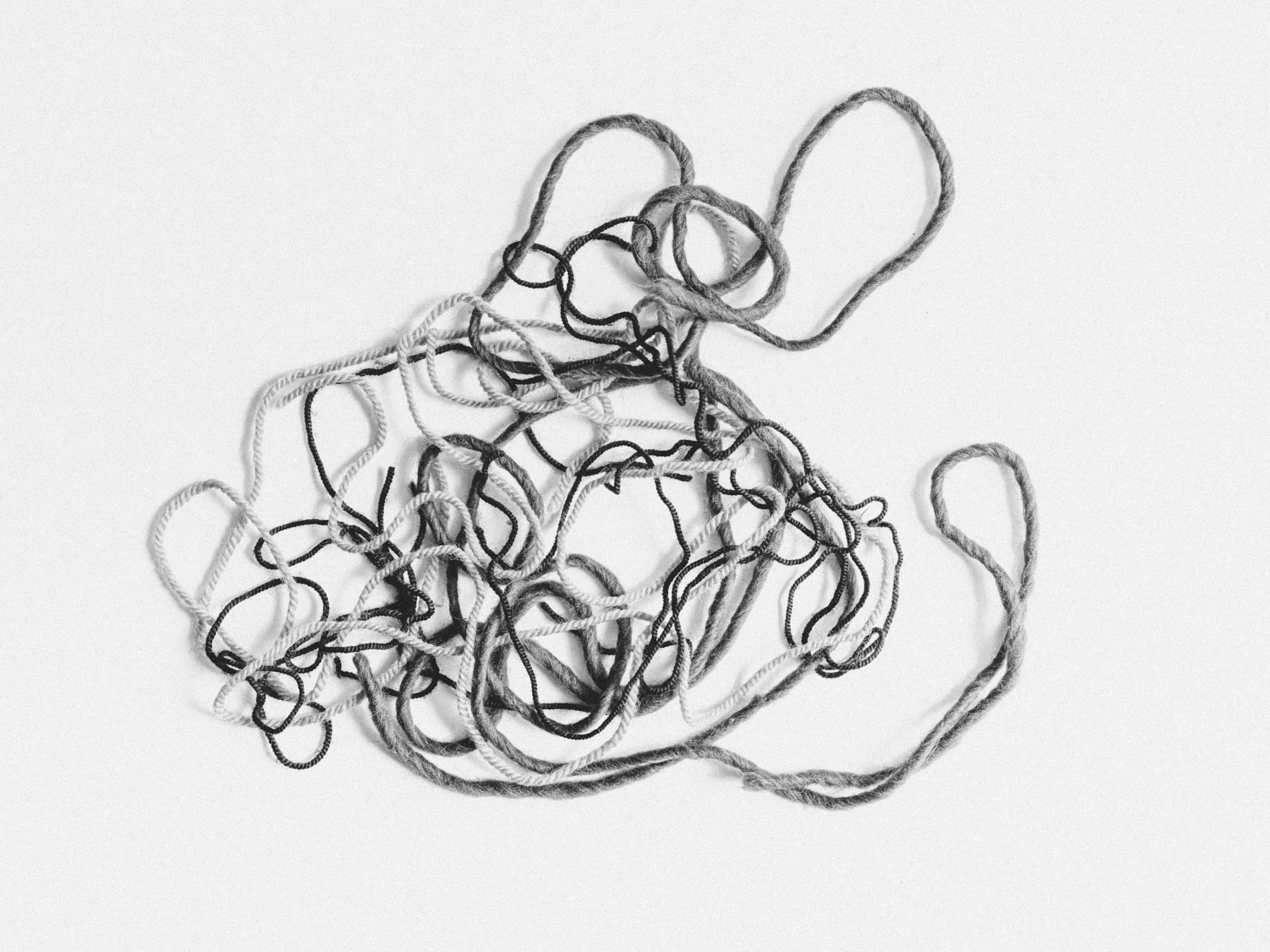
Healing, understanding, and learning are like trying to untangle a mass of necklaces. You can't just pull—you have to massage the ball, see how threads connect, pull one at a time until you find where it's tangled with others, then go back to the larger ball to continue loosening and exploring.
Creating the "space" to see the necklaces allows us to focus on one instead of getting overwhelmed by the full tangle each time. This is what pendulation practice does—it creates space between the emotion and the overwhelm so we can actually work with what's there.
Grounded Action Collective: Understanding and Navigating Overwhelm
Your nervous system needs to learn: We can hold this grief, rage, and fear. We can stay present with it. We're not helpless. And from that place, we can act in ways that align with our values and actually move us toward the world we're trying to build.
This is the work. Not just in therapy or in this group, but as a foundation for everything else we do.
When we understand what's happening in our bodies, we can extend that understanding to each other. We can stop judging. We can start supporting. We can build the kind of solidarity that can actually sustain us through what's ahead.

Your Body Is Talking: Understanding Your Nervous System's Physical Language
The problem is that our nervous systems developed for physical threats (predators, natural disasters) but now respond to psychological and social stressors the same way. Your body doesn't distinguish between a tiger and a critical email from your boss.
When you start noticing your body's physical cues, you gain valuable information

Why Your Emotions Feel So Big: Understanding Core Negative Beliefs
In trauma therapy, particularly in EMDR (Eye Movement Desensitization and Reprocessing), we work with what are called negative cognitions—core beliefs that form, often early in life, about who we are and what we can expect from the world around us. These beliefs aren't just thoughts we have occasionally; they're deeply wired conclusions that our nervous system treats as truth, even when our rational mind knows better.
Understanding Your Emotions: A Guide to the Feelings Wheel
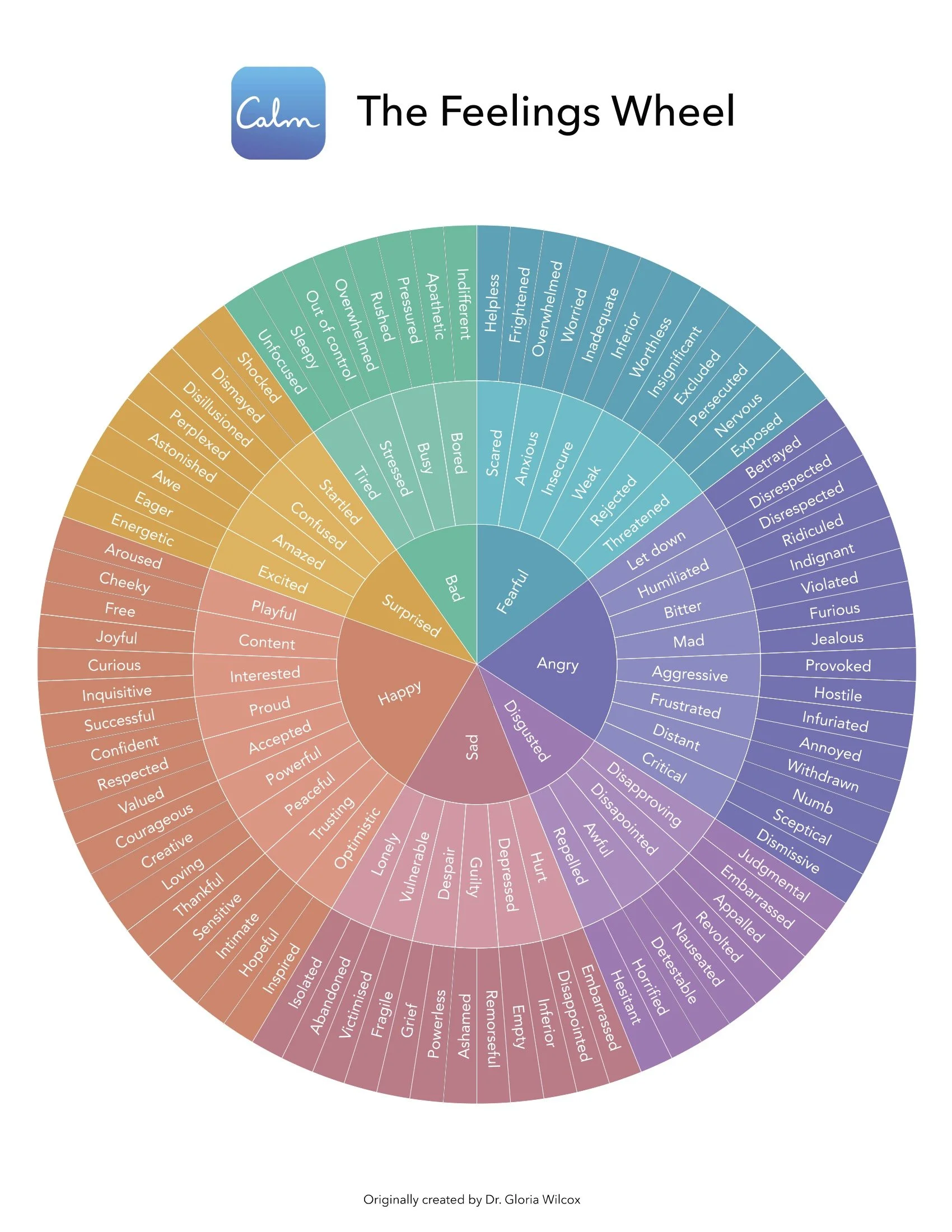
Created by Dr. Gloria Willcox, the Feelings Wheel is a visual tool that helps people identify their emotions with greater accuracy. Dr. Willcox developed this resource by integrating insights from psychology, neuroscience, and linguistics to create something both scientifically grounded and practically useful for everyday life.

Sitting With What’s Scary: A Grounded Approach to Difficult Emotions
What we're working to rewire is the brain's equation that safety = never feeling scared.
Instead, we're teaching our nervous system: I can feel this thing and survive. I can be scared and still be safe.